Security and surveillance cameras using a new approach to AI-driven video surveillance can turn existing camera infrastructure into real-time intelligence systems
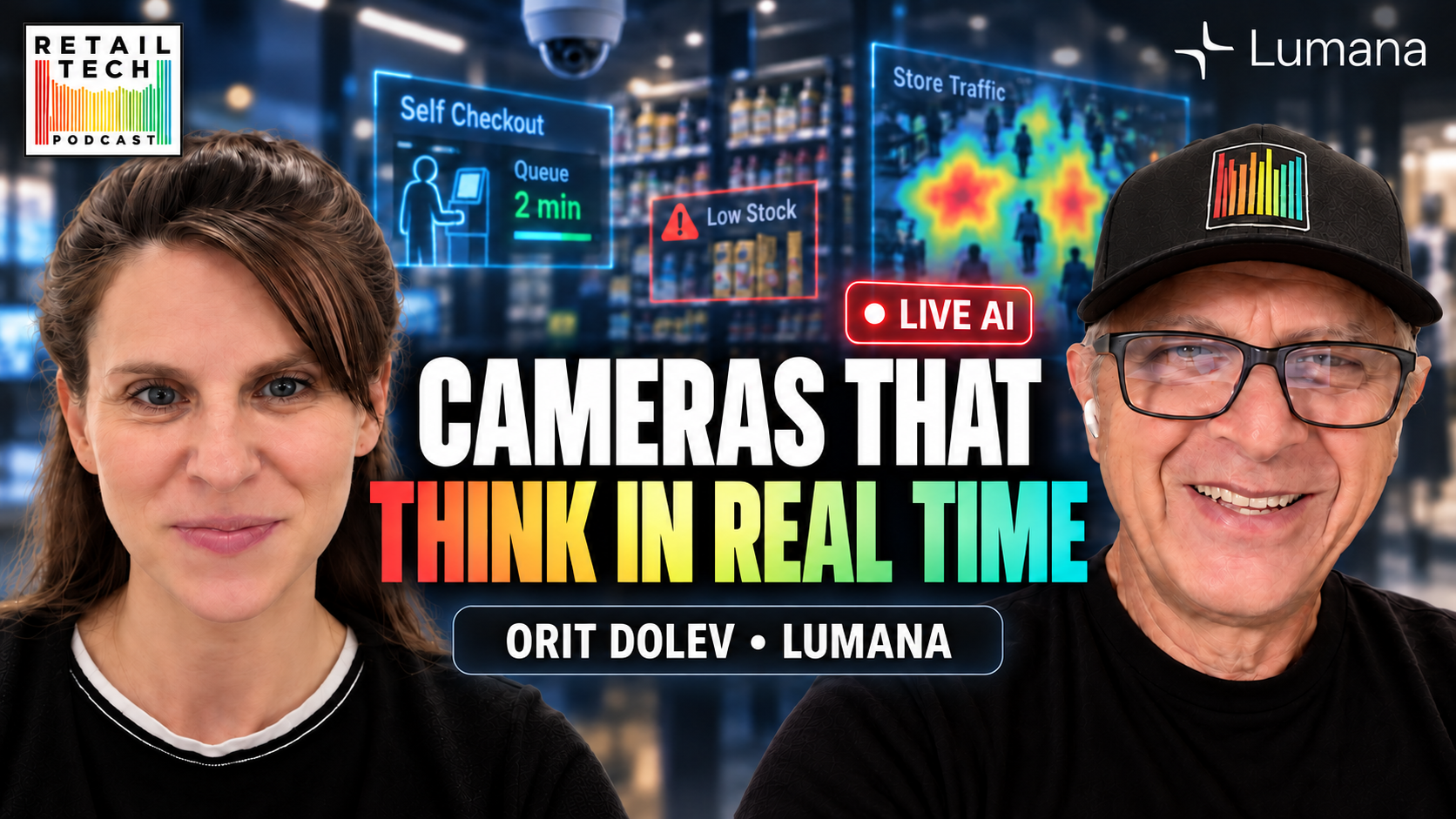
Security cameras have been standard in retail environments for decades—but most still function primarily as passive recording devices, providing footage only after an incident occurs.
In this episode of the Retail Tech Podcast, we speak with Orit Dolev, Principal Product Manager at Lumana, about how AI is transforming existing camera infrastructure into real-time intelligence systems that can understand situations, identify emerging issues and alert store teams while there is still time to act.
We explore how AI-powered video intelligence can help retailers:
• Detect skip-scanning, register-lane bypass and other shrink activity as it happens
• Monitor shelves and alert employees when important products are running low
• Identify long checkout lines and unattended service areas
• Improve workforce allocation and customer service
• Measure foot traffic, dwell time and shopper movement
• Create store heat maps that support better layouts and higher conversion
• Turn existing video feeds into actionable operational intelligence
Orit also explains how the technology works, how retailers can use their existing camera infrastructure and what organizations should consider when moving from passive surveillance to proactive, AI-driven video intelligence.
Retail is Lumana's largest vertical and its customers range from single stores to chains at hundreds of locations across Europe and the United States.
The company’s grocery, quick-service restaurants, furniture, convenience and specialty retail customers all shared the same problem before working with Lumana: lots of cameras spread across numerous sites, but too few people available to monitor them. Lumana has enabled these retail customers to continue working with their existing cameras and transform their video surveillance initiatives from passive recording into real-time intelligence.
Interview with Firmly CEO Kumar Senthil on Solving the Integration Tax and the Journey to Zero-Code Merchant Connectivity
Interview with Portrait Displays VP of Marketing Marcel Gonska on Digital Display Oppportunities in Retail
Interview with Steve Dennis on Retail Transformation and Leadership in 2025